Kohinoor Multispeciality Hospital & ICU

For more information or to book an appointment, you can contact the hospital at +91-7779998919 or email info@kohinoorhospital.com.
For more information or to book an appointment, you can contact the hospital at +91-7779998919 or email info@kohinoorhospital.com.

- HEALTH EDUCATION
Your Guide to Better Health
- Pregnancy
What is it?
Pregnancy is a natural condition where a fertilized egg grows into a baby inside a woman’s uterus. It usually lasts about 9 months and is divided into three trimesters. Each stage brings different physical and emotional changes.
Symptoms:
- Missed period
- Morning sickness (nausea/vomiting)
- Fatigue
- Breast tenderness
- Frequent urination
Many women don’t realize they’re pregnant until weeks after conception. Early prenatal care greatly increases the chances of a healthy pregnancy and baby.
- Women's Diseases
What is it?
Women’s diseases include a wide range of conditions that primarily affect the female reproductive system and hormones. These can include PCOS, endometriosis, breast cancer, and more. Early detection is key to effective treatment.
Symptoms:
- Irregular menstrual cycles
- Pelvic or lower back pain
- Unusual vaginal bleeding
- Breast lumps or changes
- Excess hair growth or acne (hormonal imbalance)
Did You Know?
Some women live for years with undiagnosed conditions like PCOS or endometriosis. Regular health check-ups and open conversations with doctors can lead to early intervention and relief.
- Infertility
What is it?
Infertility is the inability to get pregnant after one year of regular, unprotected sex (or 6 months if over 35). It can affect both men and women and may result from hormonal, structural, or lifestyle-related issues.
Symptoms:
- Irregular or absent periods
- Painful periods or intercourse
- Hormonal symptoms (acne, weight gain)
- No pregnancy after a year of trying
- Male factors like low sperm count
Did You Know?
Infertility affects millions worldwide but is often treatable. Advances in reproductive medicine offer hope through options like medication, IVF, or lifestyle changes.
Are You Pregnant or Planning to Be?
We’re here to support you every step of the way!
Your Journey to a Healthy Pregnancy Starts Here
- What You Should Know :
First Steps After a Positive Test
- Schedule your first prenatal visit
(ideally by 8 weeks). - Begin prenatal vitamins with folic acid (400–800 mcg daily).
Healthy Habits
- Eat a balanced diet with fruits, veggies, whole grains, and lean protein.
- Stay active with gentle exercises like walking or prenatal yoga.
- Get plenty of rest — your body is working hard!
Important Check-Ups
- Regular prenatal visits (monthly, then more often later).
- Ultrasounds and lab tests to check on your baby’s growth and health.
- Gestational diabetes screening around 24–28 weeks.
Learn What to Expect
- Morning sickness, fatigue, mood swings — common in the 1st trimester.
- Back pain, swelling, and baby movements begin later.
- Attend childbirth, breastfeeding, and newborn care classes.
Know the Warning Signs
Call your doctor right away if you experience:
- Heavy bleeding or severe abdominal pain
- Sudden swelling in hands/face or severe headaches
- Decreased baby movements after 28 weeks
- Women's Health
Learn to care for your health at every age.
✅ Period problems
- ✅ Family planning
- ✅ Pregnancy care
- ✅ Menopause advice
- ✅ Cancer screening (Pap smear, breast check)
We are here to help you understand and stay healthy.
Know Common Diseases
Be aware. Stay healthy.
- ✅ PCOS (Polycystic Ovary Syndrome)
- ✅ Fibroids
- ✅ Endometriosis
- ✅ Breast Cancer
- ✅ Cervical Cancer
- ✅ Urinary infections
- ✅ Sexually transmitted infections (STIs)
- ✅ Menopause problems
Talk to us for advice and checkups. Early care is best!
- Infertility and IVF
Don’t lose hope. Early consultation helps.
Common causes:
✅ Hormonal problems
- ✅ Ovulation issues
- ✅ Fallopian tube blockage
- ✅ Low sperm count/motility
- ✅ Age-related decline
- ✅ Lifestyle factors (smoking, obesity, stress)
Trying > 12 months without success
✅ Irregular periods
Age > 35 and trying > 6 months
✅ Known reproductive problems
Treatment options:
- Lifestyle changes
- Medications
- Surgery
- Assisted reproductive techniques (IUI, IVF)
- Diabetes Mellitus: Know the Basics!
What is Diabetes?
A condition where blood sugar (glucose) levels are too high.
Types:
- Type 1 – Body makes little/no insulin.
- Type 2 – Body can’t use insulin well.
- Gestational – During pregnancy.
Common Symptoms:
- Frequent urination
- Excessive thirst
- Increased hunger
- Fatigue
- Slow-healing wounds
Complications if Uncontrolled:
- Heart disease
- Kidney damage
- Nerve problems
- Vision loss
How to Manage:
- Eat healthy (less sugar & refined carbs)
- Exercise regularly
- Take medicines/insulin as prescribed
- Monitor blood sugar levels
- Regular doctor check-ups
Remember:
Early control
=
Fewer complications!
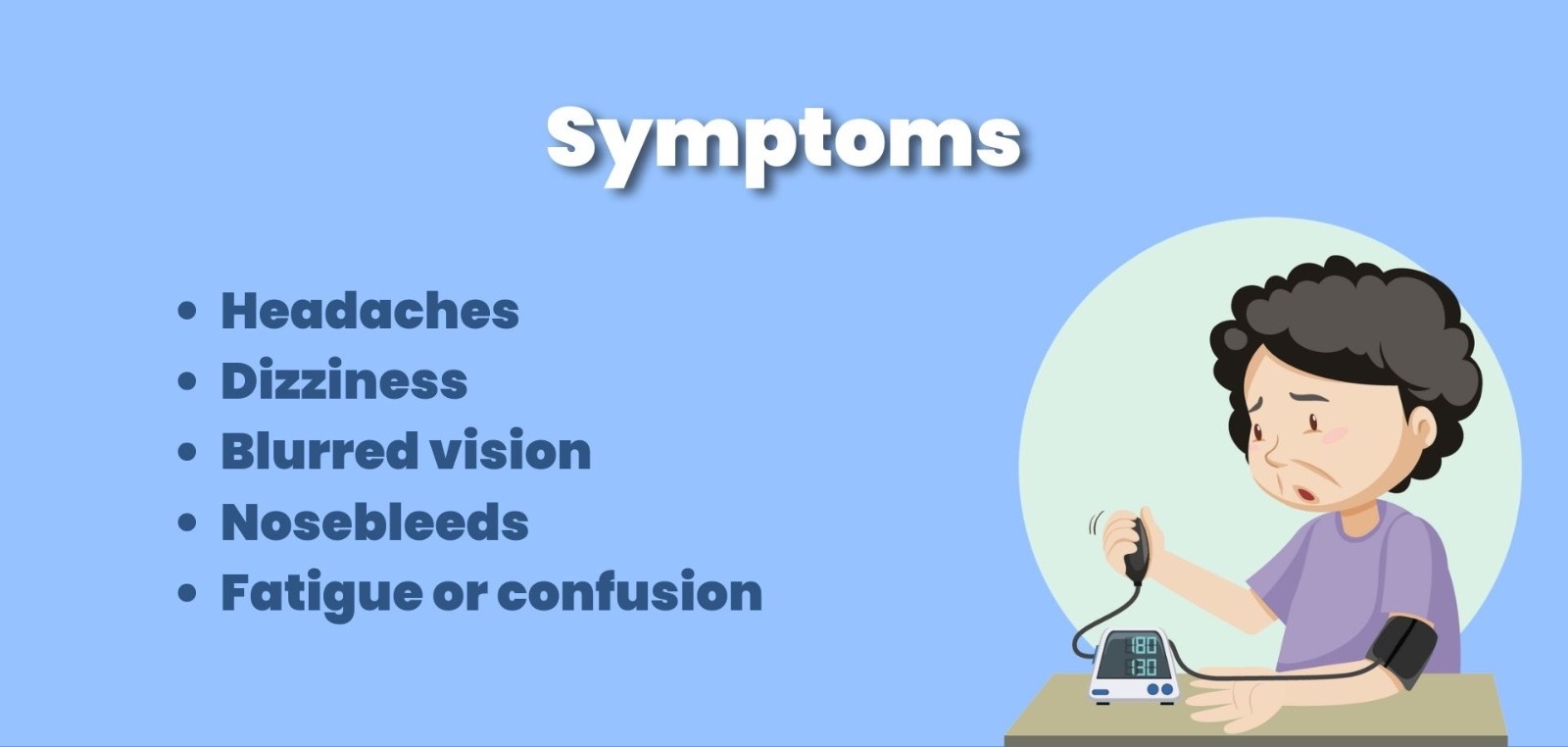
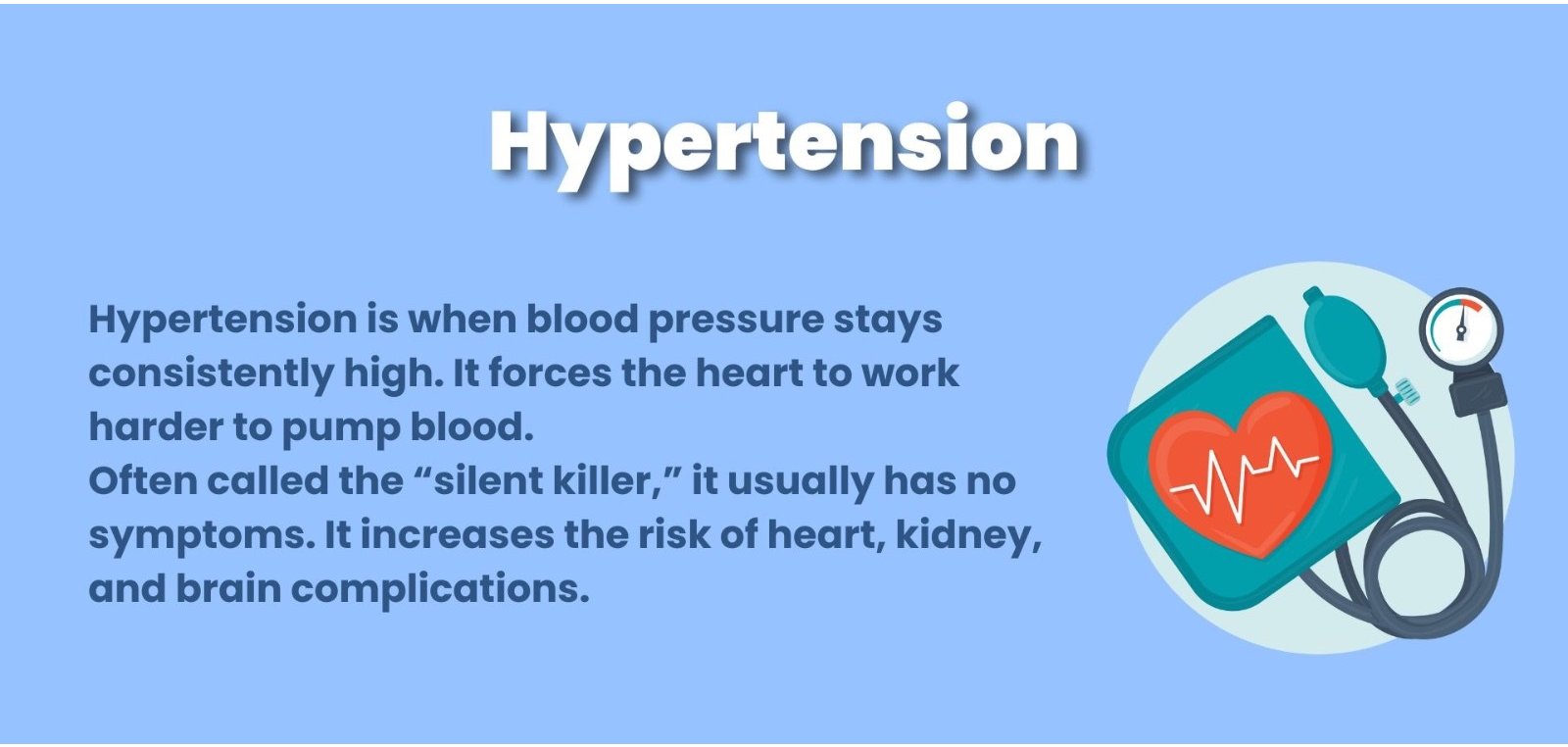
- Understanding Hypertension (High Blood Pressure)
✅ What is it?
When blood pressure in your arteries is too high.Often has no symptoms, but damages heart, kidneys, and brain over time.
✅ Normal BP:
Less than 120/80 mmHg
✅ Why control it?
Prevent heart attack, stroke, kidney failure.
Live a longer, healthier life.
✅ What can you do?
Eat less salt & oily food
Walk 30 mins daily
Reduce stress
No tobacco or smoking
Maintain healthy weight
Take medicines regularly if prescribed
✅ Check your BP regularly!
Even if you feel fine.
Early detection = better control.
For more advice, visit your doctor regularly.
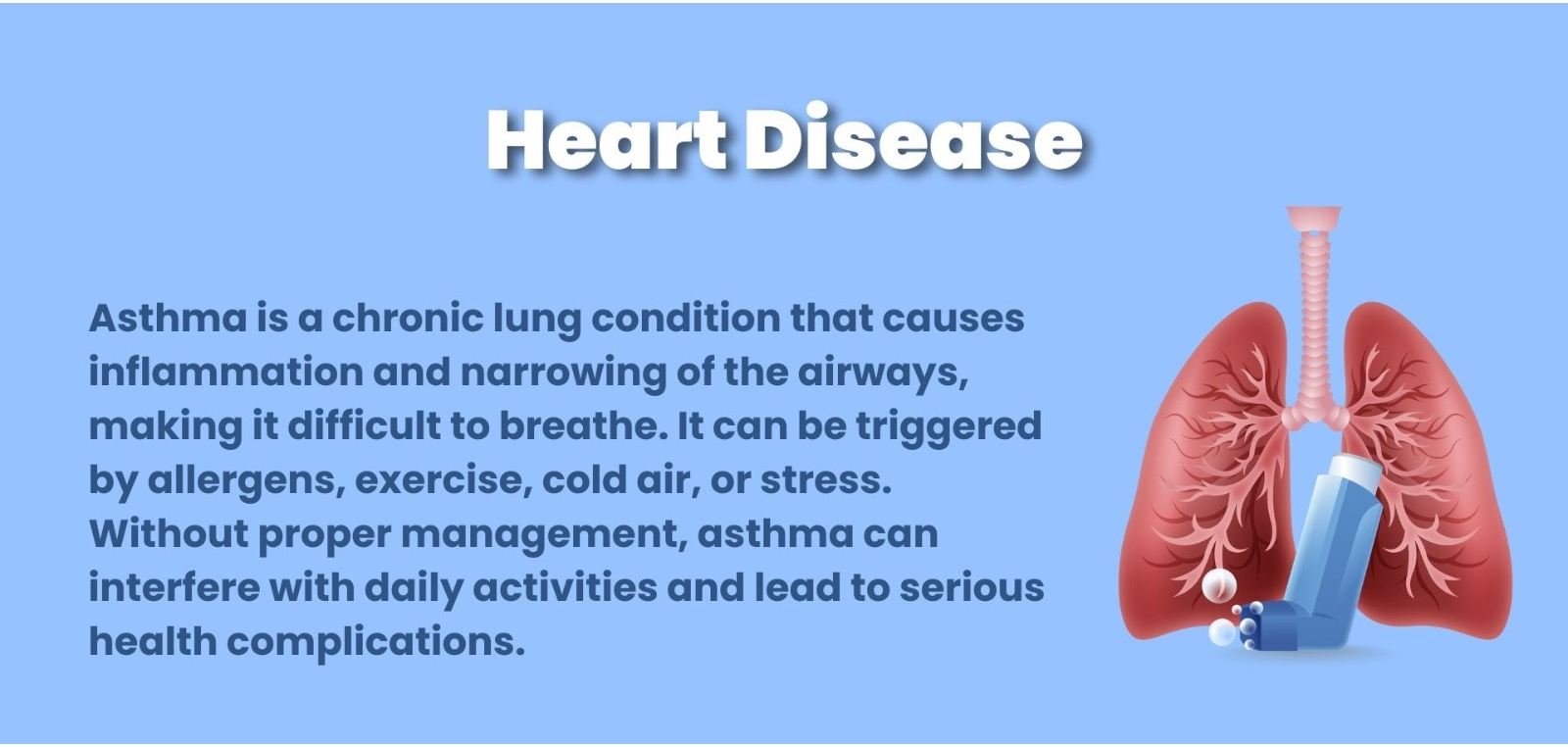
- Heart Attack: Know the Signs & Save Lives!
What is a Heart Attack?
When blood flow to the heart is blocked, the heart muscle gets damaged.
Warning Signs:
✅ Chest pain or pressure
✅ Pain in arm, neck, jaw, or back
✅ Shortness of breath
✅ Sweating
✅ Nausea or dizziness
What to Do?
Call emergency services immediately Don’t wait – early treatment saves lives
How to Prevent?
✅ Eat healthy
✅ Exercise regularly
✅ Control BP, sugar, cholesterol
✅ Quit smoking
✅ Manage stress
Stay Heart-Healthy. Be Alert. Act Fast!
- Healthy Lifestyle Tips
✅ Eat Balanced Meals
More fruits & veggies
Whole grains & lean proteins
Less sugar & junk food
✅ Stay Active:
Walk 30 min daily
Use stairs
Stretch often
✅ Drink Water
6–8 glasses daily
Limit sugary drinks
✅ Sleep Well
7–8 hours/night
Regular sleep schedule
✅ Avoid Harmful Habits
No smoking
Limit alcohol
✅ Manage Stress
Deep breathing
Meditation
Talk to friends/family
✅ Regular Check-up
BP, Sugar, Weight
Doctor’s advice